
In the realm of controlled environments for scientific and industrial purposes, both climatic test chambers and incubators play crucial roles. However, they serve distinct functions despite their similar appearances. This article aims to elucidate the key differences between a climatic test chamber and an incubator, highlighting their respective uses, features, and applications in various fields.
Climatic Test Chamber:
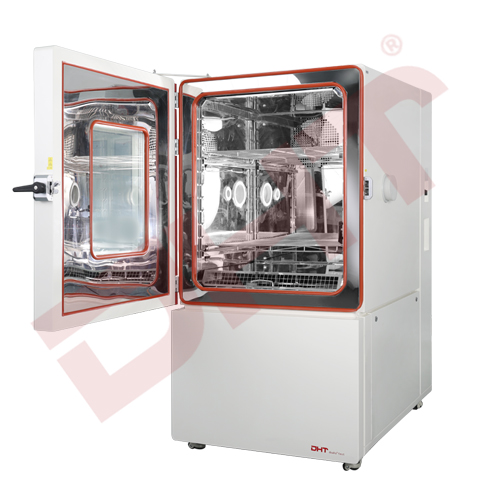
A climatic test chamber, also known as environmental test chamber, is a specialized equipment designed to simulate and control various environmental conditions such as temperature, humidity, light, and airflow. These chambers are utilized primarily for testing the effects of different environmental factors on materials, components, and products across industries such as aerospace, automotive, electronics, and pharmaceuticals.
Key Features and Functions of Climatic Test Chamber:
- Temperature Control: Climatic test chambers offer precise temperature control ranging from extreme cold to high heat, allowing for testing under a wide range of thermal conditions.
- Humidity Regulation: They also enable precise control of humidity levels, replicating different humidity environments to assess the performance and durability of materials and products.
- Customizable Testing Parameters: Users can program and customize testing parameters such as temperature ramp rates, humidity cycles, and exposure durations to simulate real-world conditions accurately.
- Monitoring and Data Logging: Climatic test chambers are equipped with sensors and data logging capabilities to monitor environmental conditions and collect data throughout the testing process.
Applications of Climatic test chamber:
Climatic test chambers find applications in various industries for conducting reliability testing, performance testing, and quality assurance of products and materials. Common tests include temperature cycling, humidity resistance testing, thermal shock testing, and accelerated aging tests.
Incubator:
An incubator, on the other hand, is a controlled environment chamber primarily used for biological and biomedical applications such as cell culture, microbial growth, and embryo cultivation. Unlike climatic test chambers, which focus on simulating diverse environmental conditions, incubators are specifically designed to provide optimal conditions for biological samples to grow and thrive.
Key Features and Functions of Incubator:
- Temperature Control: Incubators maintain a stable and uniform temperature typically set to match the physiological requirements of the organisms or cells being cultured.
- CO2 and O2 Control: Some incubators are equipped with CO2 and O2 control capabilities to create specialized atmospheres for cell culture applications.
- Sterile Environment: Incubators provide a sterile environment to prevent contamination and maintain the purity of biological samples.
- Humidity Control: While humidity control is not as critical in incubators as in climatic test chambers, some models offer humidity regulation to support specific cell culture applications.
Applications of Incubator:
Incubators are widely used in research laboratories, pharmaceutical companies, and medical facilities for cell culture, tissue engineering, microbiology research, and in vitro fertilization (IVF) procedures.
Conclusion:
In summary, while both climatic test chambers and incubators are controlled environment chambers used in scientific and industrial settings, they serve distinct purposes and cater to different applications. Climatic test chambers are utilized for environmental testing and simulation across various industries, whereas incubators are specialized equipment designed specifically for biological and biomedical applications. Understanding the differences between these two types of chambers is essential for selecting the appropriate equipment for specific testing or research requirements.
 Trusted Dedicating Environmental Test Chamber, Climatic Chamber - DOAHO
Leave a comment