
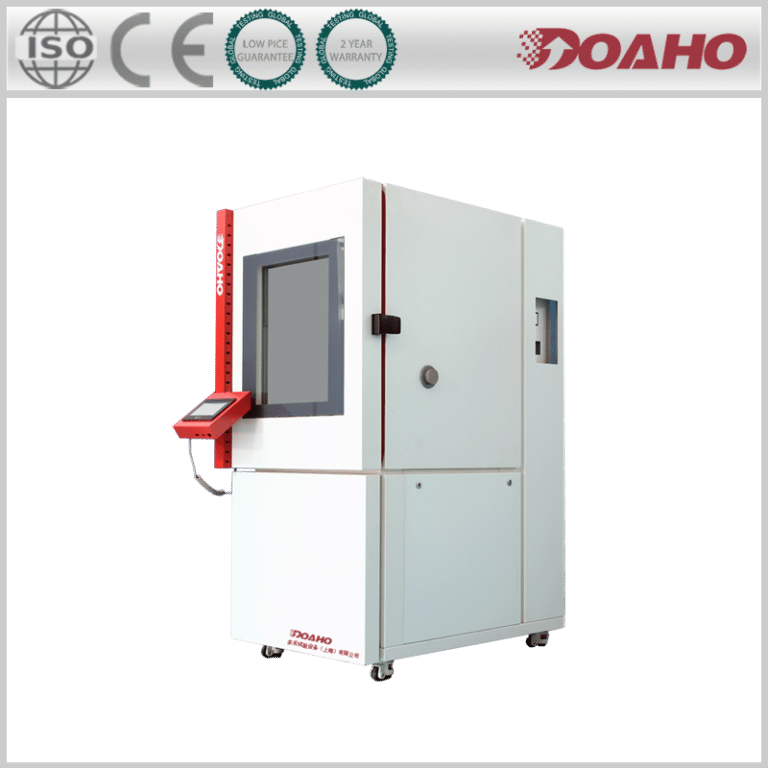
A climatic testing chamber is an essential device for replicating environmental conditions like temperature and humidity to test product durability. In this article, you’ll learn what these chambers are, how they work, and why they are vital for industries like automotive and electronics.
Key Takeaways
- Climatic testing chambers simulate a range of environmental conditions to evaluate product durability and performance across various industries.
- Different types of climatic testing chambers, such as temperature, humidity, and thermal shock chambers, are designed to meet specific testing requirements and ensure accurate results.
- Routine maintenance and calibration of climatic testing chambers are essential for optimal performance, reliability, and compliance with industry standards.
Understanding Climatic Testing Chambers
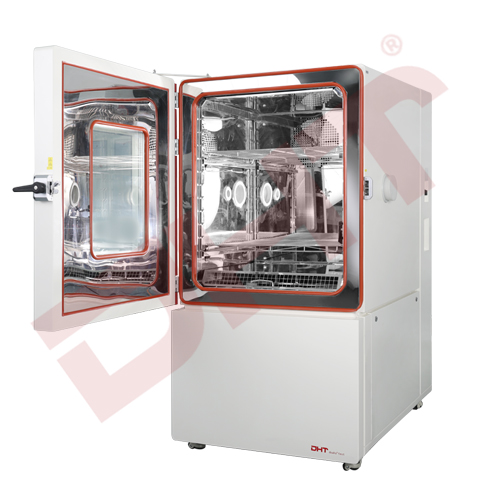
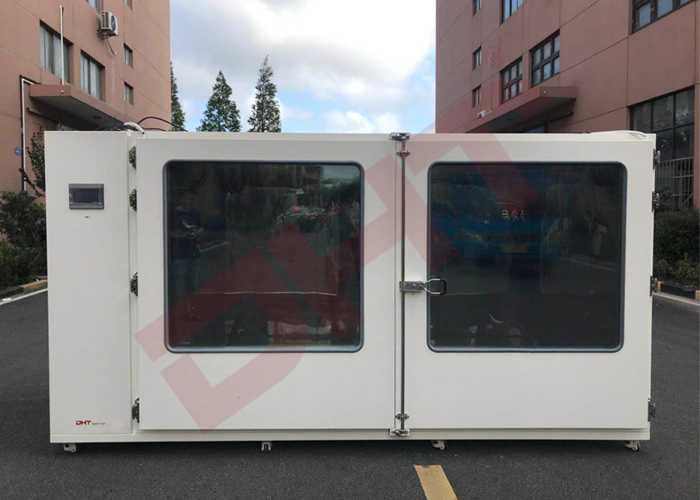
Climatic testing chambers, also known as environmental chambers, are specialized devices designed to create and control environmental conditions for the purpose of testing products under varying circumstances. These custom environmental test chambers are indispensable tools for researchers and manufacturers who need to replicate environmental conditions to thoroughly evaluate product durability and performance.
The chambers can simulate a vast array of conditions, including temperature, humidity, light exposure, and even thermal shocks, allowing for comprehensive product assessments. These stability chambers ensure accurate simulations by maintaining controlled conditions in both constant and dynamic modes, which is critical for reliable testing.
Industries such as automotive and aerospace heavily rely on altitude test chambers to test the performance of industrial products under extreme environments, ensuring that products can withstand the rigors of real-world conditions.
Climatic testing chambers precisely replicate environmental conditions, making them indispensable for rigorous testing and ensuring product reliability.
Types of Climatic Testing Chambers
Climatic testing chambers come in various forms, each designed to meet specific testing requirements. Temperature chambers, or thermal chambers, are designed for precise temperature cycling tests. They can reach up to +200°C and operate as low as -70°C, depending on the cooling system.
Temperature-only temperature test chambers focus on thermal cycling, cold resistance, and heat tolerance, ensuring products can endure temperature extremes at a specific temperature and providing invaluable performance data.
Humidity test chambers simulate relative humidity levels from 10% to 98%, essential for humidity control and humidity testing the effects of humidity chambers on materials and products to ensure they can withstand varying humidity conditions.
Thermal shock chambers are another critical type of climatic testing chamber. They facilitate thermal shock testing by creating rapid transitions between extreme temperature zones, which is particularly useful for products that need to endure sudden and drastic changes in temperature.
Key Features of Climatic Testing Chambers
Climate test chambers operate on the core principle of controlling environmental conditions. They achieve this through advanced systems that ensure proper calibration. Constant climate chambers are particularly adept at regulating temperature, humidity, and light intensity, ensuring optimal testing conditions in a climate chamber.
High-quality insulation materials ensure effective thermal regulation, a cornerstone of these chambers, maintaining precise climatic control. Humidity test chambers require high levels of precision to maintain predefined climate parameters, ensuring reliable operation throughout testing.
The integrity of welds in climate chambers is essential for maintaining structural integrity. Seals also play a critical role in ensuring the accuracy of test results. Robust construction materials, such as stainless steel, are commonly used to enhance the chamber’s durability and reliability.
Intuitive controls and training options simplify the operation of climate chambers, making them user-friendly. Features that enhance usability include:
- Digital controllers
- Programmable test sequences
- Precision sensors These features make climate chambers accessible even for those with minimal technical expertise.
Data loggers in humidity test chambers record all parameters for thorough analysis. Advanced models offer automatic alarms and programmable settings, promptly addressing any deviations in data logging.
Applications of Climatic Testing Chambers

In the automotive industry, climatic chambers test the durability of components under extreme conditions like heat, cold, and vibration, helping manufacturers identify design flaws and ensure product resilience.
In the pharmaceutical industry, climate chambers play a crucial role in ensuring the stability and shelf life of drugs, particularly vaccines. By simulating various storage conditions, these chambers help maintain the efficacy and safety of pharmaceutical products.
Electronics manufacturers also rely on climatic chambers to assess components such as cellphones and sensors. These chambers test the performance of electronic devices under thermal cycling and humidity, ensuring that they function reliably in diverse environments.
The construction industry uses environmental test chambers to evaluate materials for resistance to temperature changes, UV exposure, and moisture, including environmental testing and shelf life testing. Food industry and beverage companies simulate storage and transportation conditions to ensure product safety and quality.
Climatic test chambers are versatile tools used across multiple industries, including packaging and materials science. They enhance product testing and ensure compliance with industry standards, making them essential for rigorous testing and product development.
How Climatic Testing Chambers Ensure Product Reliability
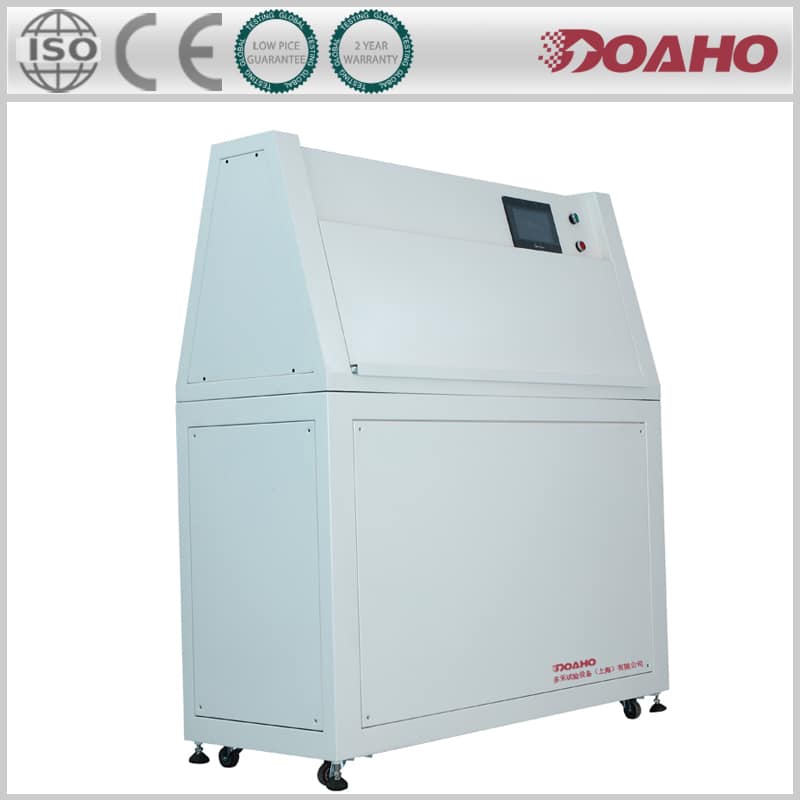
Climatic testing chambers identify weaknesses in design flaws early in product development, helping avoid costly redesigns and enhancing reliability. Simulating extreme conditions allows for accelerated aging testing and stress tests assessment.
Temperature chambers replicate extreme temperatures hot and cold conditions using advanced heating systems and cooling mechanisms to evaluate performance, identifying limitations and potential failures under low temperatures and high temperatures, including high and low temperatures, before products reach the market.
Overall, climatic testing chambers play a critical role in ensuring product reliability, reducing warranty costs, and maintaining high standards of product quality through reliability testing across various industries.
Choosing the Right Climatic Testing Chamber
Selecting the right climatic testing chamber starts with:
- Defining the required temperature range
- Defining the climatic conditions
- Defining the desired chamber volume Understanding the specific test type and specimen characteristics is crucial for an informed decision.
Several factors must be considered, including the sample type, target environmental parameters, required test parameters, and industry regulations. The heating and cooling technology, airflow, water management, and light exposure capabilities of the chamber are also essential considerations.
The specimen should not occupy more than one-third of the chamber’s volume to ensure proper airflow and accurate results. The test specimens’ weight must align with the chamber’s load capacity and shelf strength.
Selecting the appropriate best test chamber is crucial for product development, quality assurance, and compliance testing, leading to significant cost savings by preventing market failures.
Standards and Compliance for Climatic Testing Chambers
Climatic chambers are vital for quality assurance, ensuring that products meet industry standards and compliance requirements. Quality assurance in climatic testing chambers often incorporates risk management principles, adhering to Good Manufacturing Practice (GMP) and Good Laboratory Practice (GLP) guidelines.
The documentation process in humidity test chambers must comply with GLP/GMP guidelines and FDA Regulation 21 CFR 11. These regulations govern the pharmaceutical industry’s use of humidity test chambers, ensuring the accuracy and reliability of testing results.
Stability testing protocols must align with the International Council for Harmonization (ICH) guidelines, covering various climatic zones and providing a framework for validating the stability of new drug products.
Maintenance and Calibration of Climatic Testing Chambers
Routine maintenance of environmental test chambers prevents costly repairs and ensures optimal performance to decrease warranty costs. Regular checks reveal early signs of issues like leaks or corrosion, allowing timely interventions.
Electrical systems should be inspected for connection issues and accurate readings, while humidity systems require regular checks, including water connections and cleaning components to prevent malfunctions.
Calibrating chamber controllers avoids drift and maintains precise control of accurate results. Older controllers may need upgrades over time to ensure optimal performance and access to modern software.
Innovations in Climatic Testing Chambers
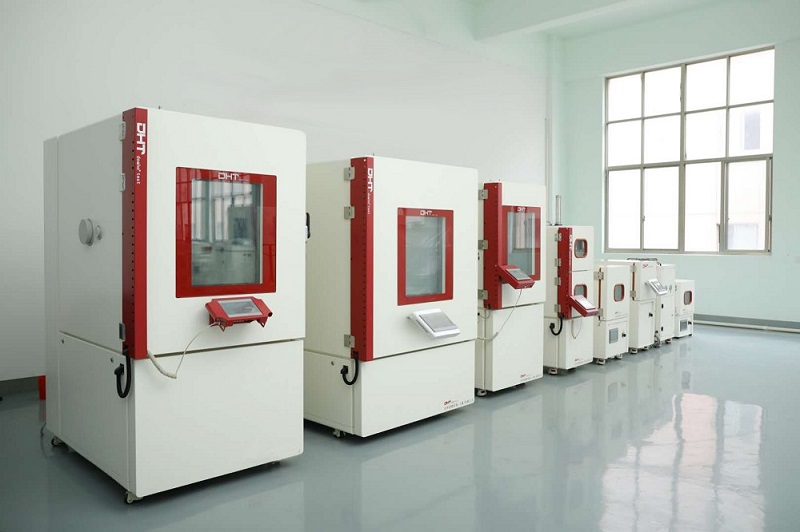
Laboratory climate chambers are essential for simulating diverse environmental conditions, facilitating crucial testing of materials and product performance. Recent advancements have enhanced these chambers’ capabilities, enabling more precise and reliable testing across industries like automotive, pharmaceutical, and electronics.
Case Studies: Success Stories with Climatic Testing Chambers
Siegfried Bähr’s research on metallic powder materials and ambient humidity exemplifies the crucial role of climatic testing chambers in scientific discovery. These chambers allowed Bähr to record moisture changes in the powder samples, providing valuable insights into material behavior.
The Fraunhofer Institute for Casting, Composite, and Processing Technology used climatic testing chambers to assess humidity effects on metallic powders, underscoring the importance of these chambers in understanding and enhancing material reliability and performance.
These case studies illustrate how climatic testing chambers serve as critical tools in research, enabling companies to understand material behaviors under various environmental conditions.
Leading Climatic Testing Chamber Manufacturer – Doaho
Doaho is one of the reliable manufacturers of climatic testing chambers in China. Known for their advanced production capabilities, excellent quality control, and cutting-edge technology, Doaho’s products are used by many industries to ensure the safety and reliability of their products in different climates.
Doaho’s climatic testing chambers are renowned for their accuracy, durability, and efficiency. They offer a wide range of customization options, allowing customers to tailor the chambers to their specific needs. Comprehensive technical support further enhances the testing experience, making Doaho an industry leader in manufacturing climatic testing chambers.
Summary
Climatic testing chambers are indispensable tools for ensuring product reliability and durability across various industries. From understanding the types and key features of these chambers to exploring their applications and maintenance, this blog post has provided a comprehensive overview. Innovations and real-world success stories highlight the importance of these chambers in research and development. Selecting the right chamber and maintaining it properly can lead to significant cost savings and enhanced product performance. Embrace the power of climatic testing chambers to elevate your product quality and reliability.
Frequently Asked Questions
What are climatic testing chambers used for?
Climatic testing chambers are utilized to simulate and regulate environmental conditions, allowing for the assessment of a product’s durability and performance across different scenarios. This controlled testing ensures reliability and quality under diverse climates.
How do climatic testing chambers ensure product reliability?
Climatic testing chambers ensure product reliability by identifying design flaws early and performing accelerated tests under extreme conditions, which enhances reliability and reduces warranty costs. This proactive approach prevents potential product damages.
What industries benefit from using climatic testing chambers?
Various industries, including automotive, aerospace, pharmaceuticals, electronics, construction, and food and beverage, benefit significantly from climatic testing chambers for thorough product evaluation. These chambers ensure that products meet necessary performance standards under different environmental conditions.
What factors should be considered when choosing a climatic testing chamber?
When selecting a climatic testing chamber, it is essential to consider the required temperature range, climatic conditions, chamber volume, specimen characteristics, and associated technology. Additionally, attention should be given to airflow, water management, and compliance with industry regulations to ensure optimal performance.
How often should climatic testing chambers be maintained and calibrated?
Climatic testing chambers should be maintained and calibrated routinely to ensure accurate testing results and optimal performance. Regular inspection of electrical systems, humidity systems, and chamber controllers is crucial for preventing issues.
 Trusted Dedicating Environmental Test Chamber, Climatic Chamber - DOAHO
Leave a comment